


Nutrition for Older Adults: Myths, Truths, and the Path to Better Aging
Nutrition is one of the most misunderstood parts of aging. While it’s true that bodies slow down over time, the need for nourishment doesn’t disappear, it evolves. Many older adults still follow outdated rules about eating less or cutting entire food groups, unaware that these habits may quietly harm their health.
Food, at its core, is medicine. But it only heals when it meets the body’s real needs, not myths passed down through generations. Understanding what your body needs in your 60s, 70s, and beyond can transform fatigue into energy, frailty into strength, and mealtimes into moments of comfort.
Myth 1: “I Should Eat Less Because I’m Less Active”
While metabolism naturally slows with age, the body still needs consistent energy and nutrition. Cutting back too far often leads to hidden malnutrition – where weight appears stable, but muscle and strength silently fade.
Older adults often eat less not because they must, but because they feel full faster or find cooking for one a chore. This reduced intake can cause weakness, fatigue, and slower recovery after illness. Instead, try smaller, balanced meals more often throughout the day. A light breakfast of whole-grain toast and eggs, a midday soup or grain bowl, and a protein-rich dinner can do far more for long-term wellness than eating less out of habit.
Myth 2: “Protein Isn’t That Important After a Certain Age”
This couldn’t be further from the truth. Protein is essential for preserving muscle mass, balance, independence, and even immune function. As we age, the body grows less efficient at processing protein, making it even more important to include it at every meal.
Lean proteins like fish, eggs, poultry, lentils, and Greek yogurt – support muscle maintenance and reduce the risks of falls or frailty. Pair these with whole grains and colorful vegetables for maximum effect. It’s not about eating more food overall, it’s about eating smarter and choosing nutrient-dense combinations that fuel strength and stability.
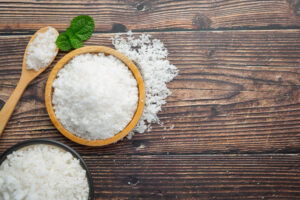
Myth 3: “Salt Is Always Bad”
For decades, sodium has been the enemy of heart health. But for many older adults, overly strict salt restriction can cause new problems. When sodium levels drop too low, it can lead to dizziness, confusion, or even fainting.
Balance is the key. If high blood pressure is a concern, choose fresh herbs, garlic, citrus, or spice blends to add flavor. But don’t cut sodium completely, your body still needs electrolytes to maintain hydration and proper muscle and nerve function.
Myth 4: “Older Adults Don’t Need as Much Water”
Hydration plays a crucial role in keeping cells healthy, joints lubricated, and the mind clear. Yet many seniors drink less to avoid frequent trips to the bathroom. The result is widespread, often overlooked dehydration – a leading cause of confusion and weakness in older adults.
Water isn’t the only answer. Herbal teas, broths, smoothies, and fruits like melon or oranges also count. The key is steady hydration throughout the day rather than guzzling large amounts at once. A drink with each meal and snack keeps energy and alertness stable.
Myth 5: “Vitamins Can Replace Meals”
Supplements serve a purpose, they help fill gaps that might arise from limited diets but they can’t replicate the full benefits of real foods. Whole foods offer fiber for digestion, antioxidants for cell repair, and natural sugars for sustained energy, working together in ways no capsule can.
Focus on a “food first” approach, using vitamins only where medically recommended. A colorful plate rich in greens, fruits, whole grains, and proteins, supports longevity better than any pill.
The Emotional Side of Eating in Older Age
Nutrition is about far more than nutrients. Food carries memory, comfort, and connection. Shared meals remind older adults of family traditions, spark conversation, and reignite appetite. For many, eating becomes joyful again when it happens in good company.
Caregivers and family members play a vital role in making meals not only nutritious but meaningful. Setting the table, cooking together, or enjoying a favorite dish can lift the spirit and warm the heart as much as it nourishes the body.
The Bottom Line: Nourishment Is Care
Healthy aging isn’t about restrictions, it’s about mindful nourishment. Listening to the body’s cues and embracing colorful, varied meals helps maintain independence, energy, and emotional balance.
At Previce Care, we help older adults design meal plans and routines tailored to their unique needs, health conditions, and personal preferences. Each plan focuses on the joy of eating well – the power of real food to heal, energize, and inspire.
Because care isn’t just about living longer. It’s about living well, with every meal serving as an act of nourishment for both body and spirit.